Toolbox Talk - Footwear Safety on Construction Sites
Cairnmead
August 20, 2025
Every step you take on a construction site matters—literally. Your boots are more than just shoes—they’re your first and most crucial line of defence against dangers hiding underfoot.
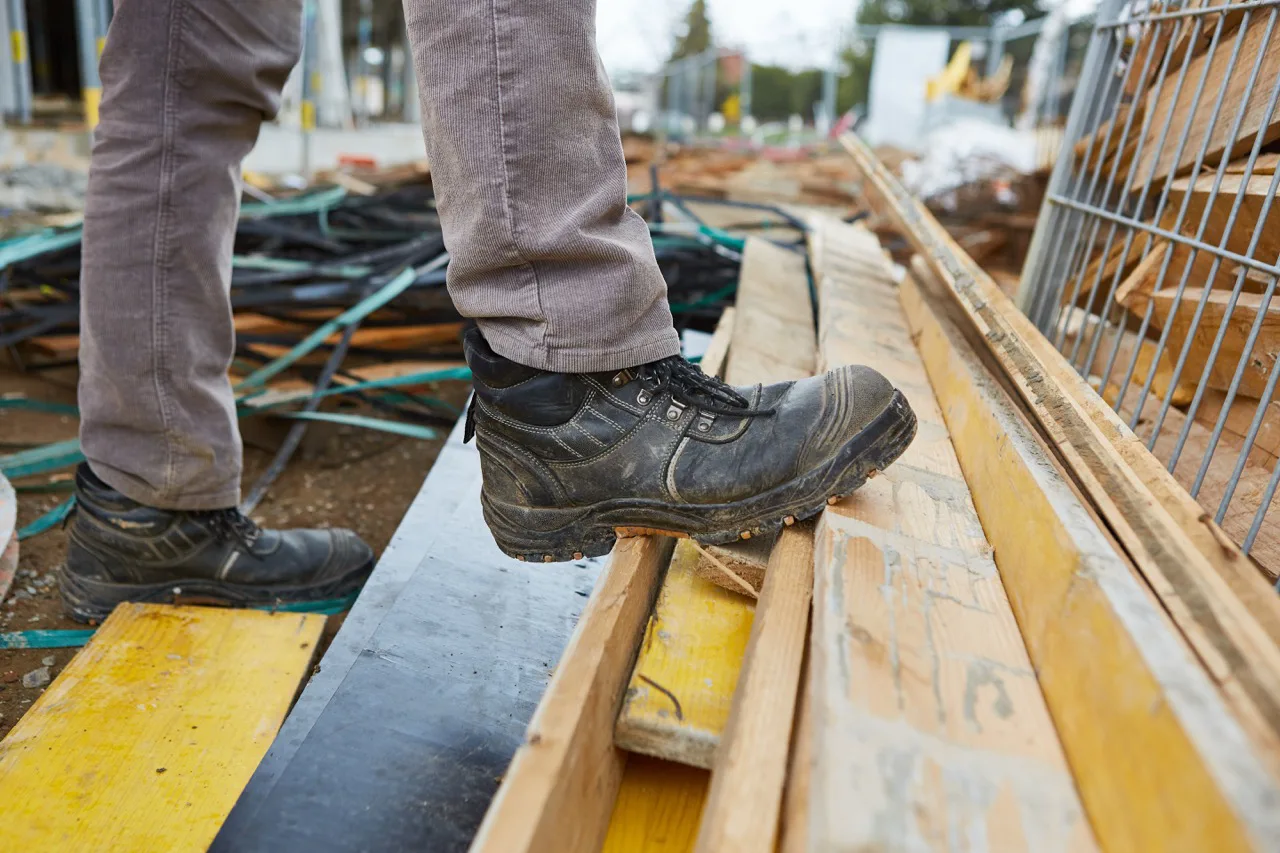
Every step you take on a construction site matters—literally. Your boots are more than just shoes—they’re your first and most crucial line of defence against dangers hiding underfoot: falling tools, sharp debris, slippery surfaces, and harsh weather. Without the right protection, a single misstep could lead to serious foot injuries.
Why Safety Footwear Matters
- Safety boots with steel toes, puncture-resistant midsoles, and slip-resistant soles protect your feet from injuries caused by falling objects, sharp nails, slippery surfaces, electrical risks, and more.
- Foot protection standards (like S3 under EN ISO 20345 or ASTM F2413) ensure adequate protection:
- S3 boots typically include toe protection, water resistance, and puncture-resistant soles—ideal for most construction environments.
- For impact protection, ASTM-certified boots labelled I/75 protect against 75 ft-lb impacts (about a 75 lb object dropped from one foot).
Putting Boots On—and Keeping Them On
- Fit matters more than comfort: Lacing boots snugly helps secure your feet, reduce blistering, and ensure protective features (like toe caps) are properly aligned. Loose laces increase tripping hazards.
- People often skip this—but a proper lace-up is a frontline defence for preventing real injuries.
What Parts Protect What
| Boot Component | Your Safety Shield Against… |
| Toe Cap | Heavy, falling, or rolling objects |
| Puncture-resistant sole | Nails, shards, and sharp debris on the ground |
| Slip-resistant outsole | Wet or oily surfaces that can cause slips and falls |
| Metatarsal guard | Crushing or impact to the top of the foot (optional extra protection) |
| Waterproofing & Electric Resistance | Chemicals, moisture, or static/electric hazards in some jobs |
Quick Safety Tips
- Always wear construction-grade boots on site. They’re your essential safety equipment—not optional.
- Check for proper safety labels (e.g., S3, ASTM I/75, EN ISO codes)—these show whether the boots meet required protection standards.
- Lace them correctly. A snug fit = better protection + fewer accidents.
- Replace worn-out boots promptly. Damaged tread or worn soles compromise safety and comfort
Download the full Toolbox Talk document on Footwear Safety on Construction Sites below: